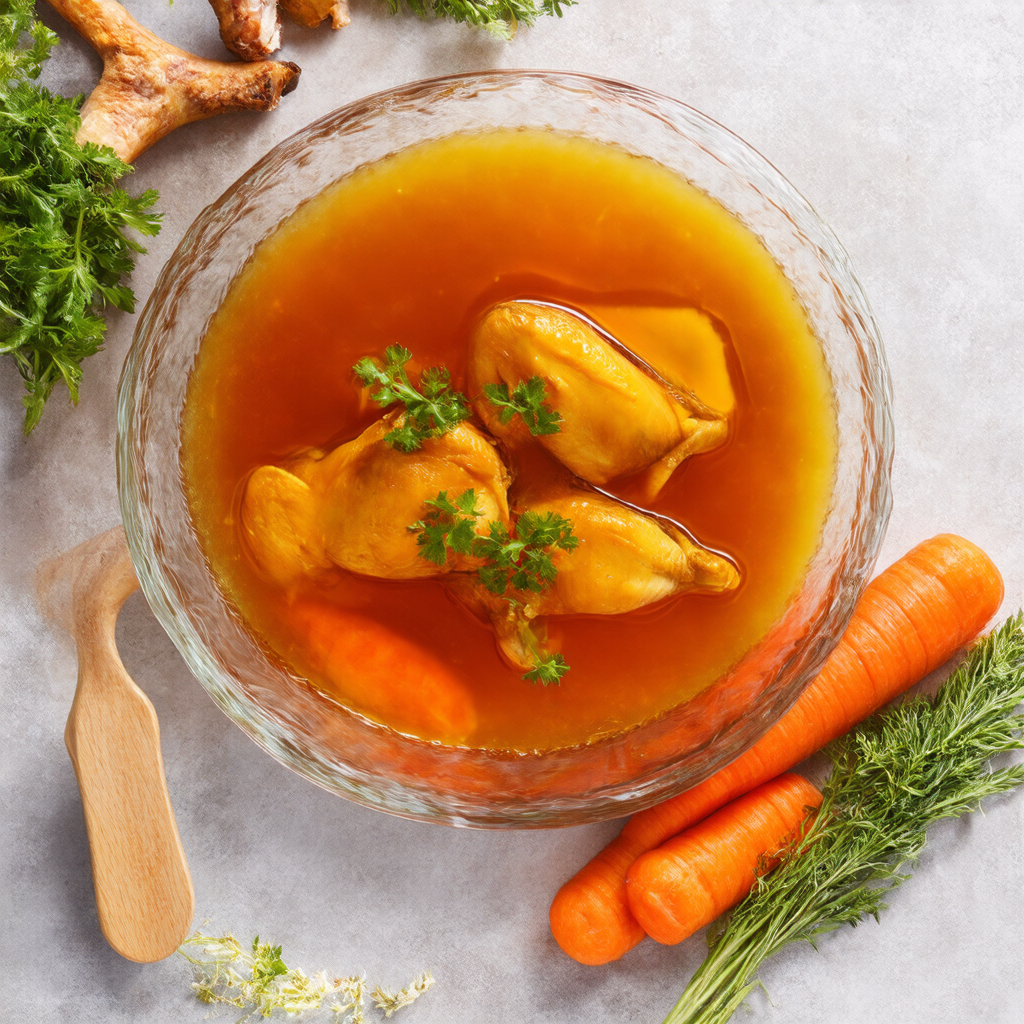
Classic Chicken Stock
A rich and comforting chicken stock made with bones, vegetables, and herbs. This stock is perfect for soups and sauces, imparting deep flavours and nutrients. Making your own stock can enhance the taste of your meals significantly, and it’s a great way to utilise leftover chicken bones and vegetable scraps.
- Total
- 2 hr 30 min
- Serves
- 4
- Level
- Everyday
Created with Pantry Bliss
Ingredients
4 servings
- 1 kilogram chicken bones (raw or cooked), broken into smaller pieces if possible
- 2 large carrots, washed and cut into large chunks
- 2 large celery sticks, washed and cut into large chunks
- 1 large onion, peeled and quartered
- 4 cloves garlic, smashed but left whole
- 2 pieces bay leaves, fresh or dried
- 1 teaspoon peppercorns, black or mixed
- 1 bunch flat-leaf parsley, washed and roughly chopped
- 3 litres water, cold, filtered water
- Prep
- 20 min
- Cook
- 2 hr
- Rest
- 10 min
About this recipe
This classic chicken stock recipe is inspired by traditional cooking methods that focus on extracting the deep, nourishing flavours from bones and fresh vegetables. It draws from classic French culinary techniques that prioritise the importance of homemade stocks in enhancing the quality of soups and sauces. The use of fresh herbs and basic vegetables aligns with how chefs have crafted stocks for centuries, making it a staple in kitchens around the world.
Method
-
Step 1: Prepare the vegetables
Wash and cut the carrots, celery, and onion into large chunks. Smash the garlic cloves slightly to release their flavour but leave them whole.
-
Step 2: Combine ingredients in the pot
Place the chicken bones in a large pot. Add the prepared vegetables, bay leaves, peppercorns, and flat-leaf parsley into the pot with the bones.
-
Step 3: Add water and simmer
Pour 3 litres of cold water into the pot, covering all the ingredients. Bring to a boil over medium-high heat, then reduce the heat to low to let it simmer gently. Skim off any foam that appears on the surface during the first 30 minutes of cooking. Let it simmer for 2 hours, partially covered.
Be careful not to let the stock boil vigorously; it should simmer gently to avoid cloudy stock and to extract maximum flavour from the ingredients. -
Step 4: Strain the stock
After 2 hours, remove the pot from the heat. Using a ladle, carefully pour the stock through a colander into another large pot or bowl to strain out the solids. Discard the solids once strained.
Let the stock cool slightly before handling; it will be hot. Ensure the colander is large enough to catch all the solids without spilling. -
Step 5: Cool and store the stock
Let the strained stock cool at room temperature for about 10 minutes before transferring it to airtight containers. The stock can be kept in the fridge for up to 4 days or frozen for several months. Label and date the containers for easy identification.
Make sure to cool the stock down before refrigerating to prevent bacteria growth.
Tips
- For a richer flavour, roast the chicken bones in the oven at 200°C for 30 minutes before making the stock.
- Add additional herbs like thyme or dill for extra flavour.
- Use any leftover vegetable scraps to enhance the stock such as leeks or mushroom stems.
- Skim off any fat that rises to the top as the stock cools if you prefer a lower-fat stock.
Equipment
- large pot (3-5 litres)
- colander
- ladle
- chopping board
- sharp knife
- measuring cup
- spoon
Serve it with
Sides
-
Crusty bread
Perfect for dipping into soup made with the chicken stock.
-
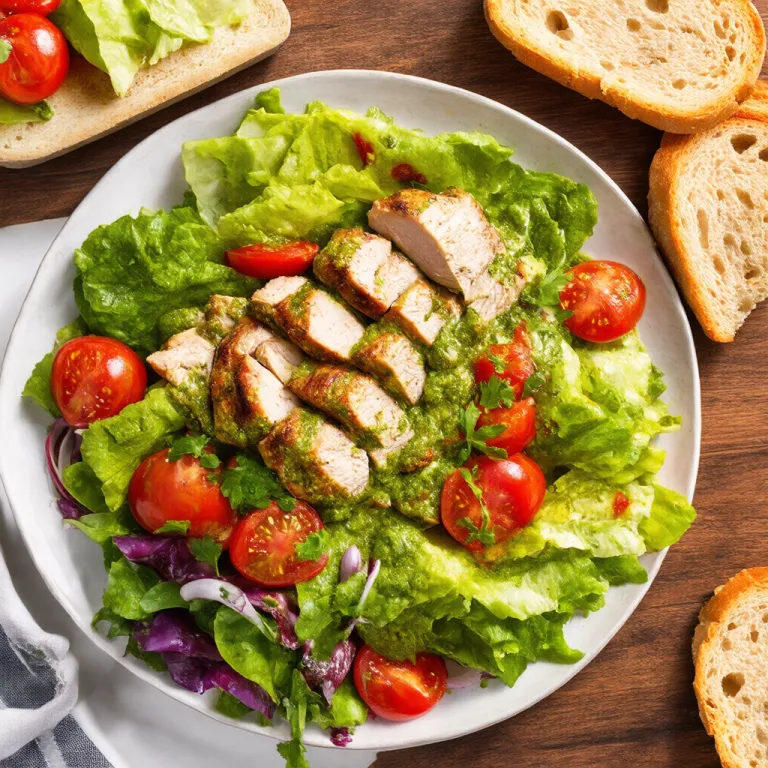
Garden salad
A refreshing side that complements the rich flavours of the stock.
Goes well with
-
Chicken Noodle Soup
Using this stock will elevate the flavour of a classic chicken noodle soup.
-
Risotto
Chicken stock is excellent for cooking risotto, giving it rich flavour.
Drinks
-
Sparkling water
A refreshing palate cleanser that allows the flavours of the stock to shine through.
-
White wine
A light, crisp white wine pairs well with soups made with the stock.
Created by a home cook with Pantry Bliss’s AI recipe creator and shared with the community. Always check recipes for allergens and cook food to safe temperatures.