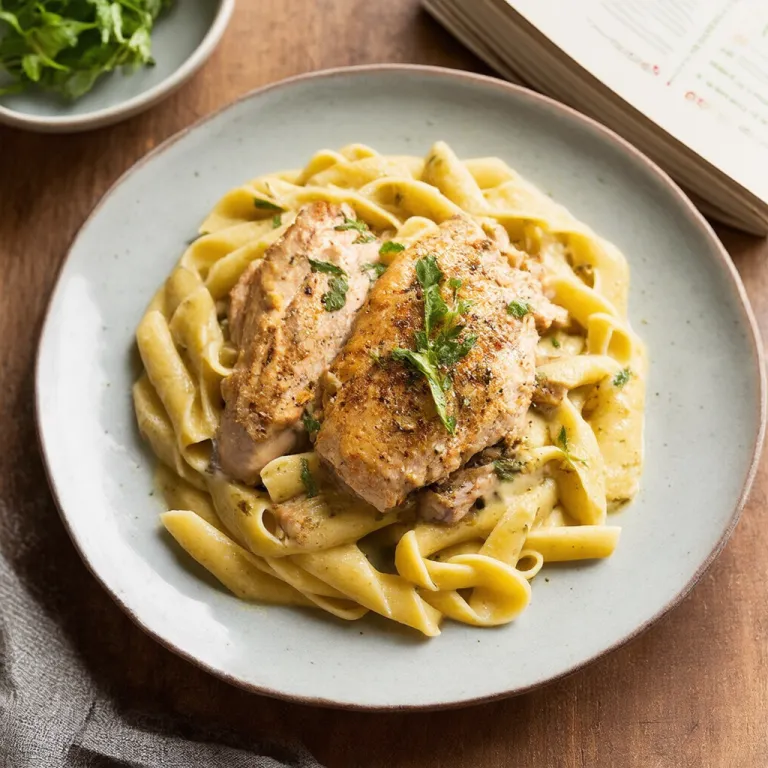
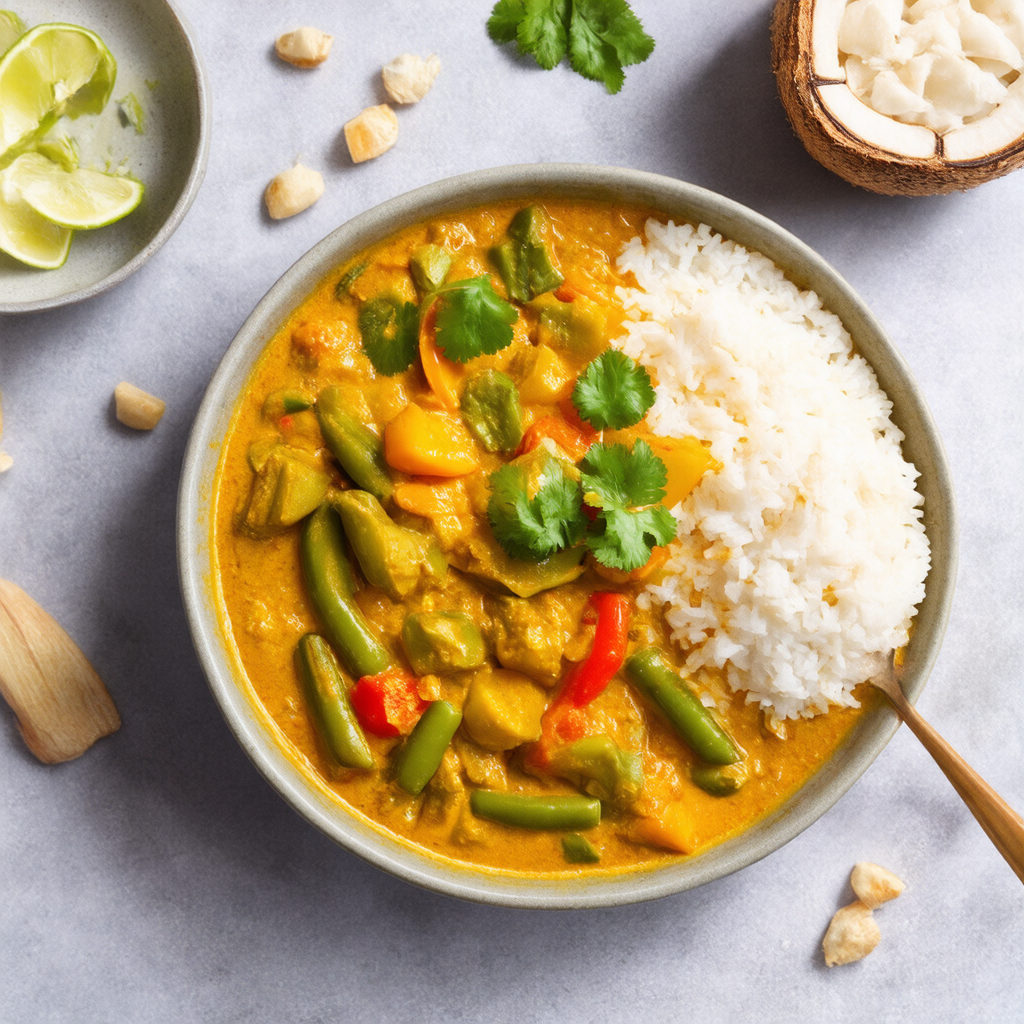
Classic Coconut Vegetable Curry
A traditional vegetarian curry made with assorted vegetables simmered in coconut cream and aromatic spices, perfect for a comforting dinner. This recipe highlights the rich flavors of garlic, onion, and fresh tomatoes combined with a creamy coconut base to create a delicious vegetarian dish.
- Total
- 25 min
- Serves
- 4
- Level
- Adventurous
Created with Pantry Bliss
Ingredients
4 servings
For the Curry Base
- 4 cloves Garlic, minced
- 1 large Onion, finely chopped
- 3 medium Tomatoes, diced
- 400 milliliters Coconut cream
- 250 milliliters Vegetable broth
For the Spices
- 1 teaspoon Cumin seeds
- 2 teaspoons Coriander powder
- 1 teaspoon Turmeric powder
- 1 teaspoon Chili powder
- to taste Salt
- to taste Black pepper
For Serving
- 300 grams Rice, rinsed and soaked
- a handful Fresh cilantro, chopped for garnish
- Prep
- 10 min
- Cook
- 15 min
About this recipe
Imagine walking into a warm, aromatic kitchen where the sun filters softly through the window, casting a golden hue upon the ingredients spread across the counter. The inspiration for the **Classic Coconut Vegetable Curry** stems from a life-changing visit to a charming, family-owned restaurant in Kerala, India, renowned for its vibrant use of spices and freshly harvested vegetables. Each dish served there was a symphony of flavors, harmoniously combining traditional techniques with local produce. It was at this humble establishment that I fell in love with the creamy texture of coconut combined with an array of spices, all infused with the essence of home cooking. This curry is a tribute to that transformative experience, bringing the heart of Indian cuisine into your kitchen! Central to this dish’s appeal is its unique flavor profile, which marries the sweetness of coconut cream with the savory and spiced undertones from a rich blend of cumin, coriander, turmeric, and chili powder. The versatility of vegetables acts like a canvas, allowing for an exciting exploration of textures and tastes. Each bite reveals layers of flavors: the tenderness of sautéed onions and garlic, the tanginess of ripe tomatoes, and, to top it all off, the creamy richness of coconut enveloping the fresh vegetables—a filling yet light experience that is both comforting and invigorating. The preparation of the **Classic Coconut Vegetable Curry** employs basic yet essential cooking techniques—the sautéing of aromatics to build a flavorful base, followed by a gentle simmer to meld the spices and vegetables harmoniously. The key here is to respect the balance; the garlic should be coaxed into golden fragrance without burning, and the spices should bloom just enough to release their aromatic oils into the curry without overwhelming the palate. Keeping the cooking temperature low while adding the coconut cream ensures its smooth consistency remains intact, adding a luxurious layer to the overall dish. Presentation is where this dish truly shines. Serve the beautifully colored curry in a deep, wide bowl, allowing the vibrant hues of the vegetables to stand out against the white backdrop of the coconut sauce. A fresh handful of chopped cilantro sprinkled over the top not only adds a burst of color but enhances the aroma, inviting guests to dive into the meal. For an artistic touch, consider pairing the dish with a wedge of lime or lemon on the side, adding a zesty kick that can complement the creamy curry perfectly. To elevate your dining experience even further, serve your curry over a bed of fluffy, slightly nutty rice, which absorbs the lush curry sauce beautifully. Pair it with a refreshing drink like mango lassi or a chilled herb-infused iced tea, capturing the essence of a traditional Indian meal while keeping it light and summery. This **Classic Coconut Vegetable Curry** is not just a dish; it’s a celebration of flavors, a warm embrace from the bustling kitchens of India, and an enjoyable experience perfect for dinner gatherings, promising to nourish both body and soul.
Method
-
Step 1: Prepare the Rice
Rinse the rice under cold water until the water runs clear. Soak the rice for 15 minutes. Drain.
Ensure the soaking time is accurate to prevent mushy rice. -
Step 2: Sauté the Aromatics
In a large pot, heat a tablespoon of oil over medium heat. Add the minced garlic and chopped onion. Sauté until the onion is translucent and fragrant.
Do not let the garlic burn; adjust heat if necessary. -
Step 3: Add Tomatoes and Cook
Add the diced tomatoes to the pot. Cook for about 5 minutes, stirring occasionally, until the tomatoes soften.
Ensure the tomatoes are well-cooked and combined with the aromatics. -
Step 4: Incorporate the Spices
Stir in the cumin, coriander, turmeric, chili powder, salt, and pepper. Cook for an additional 1-2 minutes to bloom the spices.
Adjust chili powder to taste for desired heat level. -
Step 5: Add Coconut Cream and Broth
Pour in the coconut cream and vegetable broth. Stir well to combine. Bring to a gentle simmer and cook for 5 minutes, allowing flavors to meld.
Avoid boiling the mixture to maintain a creamy texture. -
Step 6: Cook the Rice
In a separate pot, add the soaked rice with double the amount of water. Bring to a boil, then reduce to a simmer, cover, and cook for about 12 minutes or until rice is fluffy and water is absorbed.
Fluff the rice with a fork after cooking and let it steam covered for a few extra minutes. -
Step 7: Serve the Curry
Serve the coconut vegetable curry over the cooked rice. Garnish with chopped cilantro and enjoy.
Ensure the curry is well-combined and flavors are balanced before serving.
Tips
- Vegetable Substitutions: Feel free to use a mix of your favorite vegetables such as bell peppers, sweet potatoes, or green beans. These can add color and nutrition to your curry.
- Add Legumes: For added protein, consider adding canned chickpeas or lentils. They pair well with the coconut flavor and enhance the dish's heartiness.
- Spice Adjustments: If you prefer a milder curry, reduce the amount of chili powder. Alternatively, for more heat, incorporate fresh chilies or a dash of cayenne pepper.
- Herb Enhancements: Consider adding fresh basil or mint along with the cilantro for a refreshing twist.
- Make It Coconut Milk-Friendly: If coconut cream is too rich, you can use coconut milk instead, which is lighter but still maintains the coconut flavor.
- Make-Ahead Components: Prepare the curry base (garlic, onion, tomatoes, and spices) in advance, and refrigerate it. This allows for quicker cooking during meal time.
- Serving Alternatives: Instead of rice, serve the curry with naan or quinoa for a different grain base.
- Storage Tips: Leftover curry can be refrigerated for up to 3 days. It can also be frozen for later use; just make sure to cool it completely before storing.
Equipment
- Large pot
- Cutting board
- Knife
- Measuring cups
- Measuring spoons
- Wooden spoon
- Strainer
- Small pot
- Serving bowls
- Spoon for serving
Serve it with
Sides
-
Naan Bread
The soft, pillowy naan complements the creamy texture of the curry and is perfect for scooping.
-
Raita
This yogurt-based side dish adds a cooling effect to balance the spices in the curry.
-
Steamed Broccoli
Broccoli provides a nice crunch and additional nutrients, while its mild flavor pairs well with the curry.
-
Cucumber Salad
A fresh cucumber salad offers a refreshing crunch that contrasts nicely with the rich curry.
-
Popcorn Rice
This light and crispy option adds an exciting texture and is perfect for soaking up the curry sauce.
Goes well with
-
Mango Lassi
This sweetened yogurt drink helps to cool the palate and enhance the exotic flavors of the curry.
-
Lemon Tart
A lemon tart provides a bright, citrusy finish that contrasts beautifully with the richness of the coconut curry.
Drinks
-
Mint Lemonade
A refreshing non-alcoholic drink that balances the spices with its citrusy and minty notes.
-
Chardonnay
A lightly oaked Chardonnay can complement the creaminess of the coconut while enhancing the spice notes.
Created by a home cook with Pantry Bliss’s AI recipe creator and shared with the community. Always check recipes for allergens and cook food to safe temperatures.