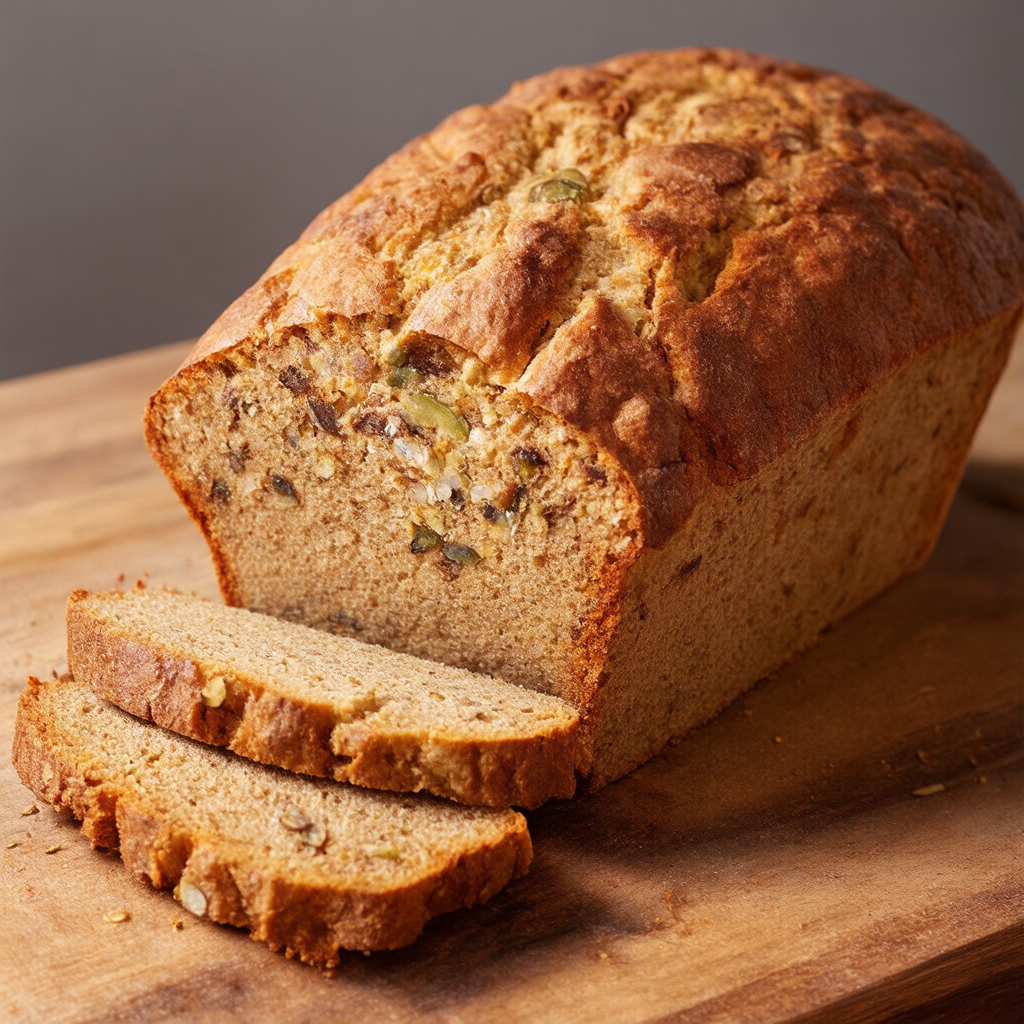
Seeded Multigrain Bread
A healthy multigrain bread loaded with seeds for added texture and nutrition. This recipe is simple and allows you to enjoy the wholesome flavours of grains and seeds, perfect for sandwiches or as a side to your meals.
- Total
- 2 hr 10 min
- Serves
- 4
- Level
- Everyday
Created with Pantry Bliss
Ingredients
4 servings
For the bread dough
- 250 grams wholemeal flour, sifted
- 250 grams plain flour, sifted
- 7 grams active dry yeast, (or 1 sachet)
- 300 milliliters warm water, (around 37°C)
For the seed mixture
- 50 grams sunflower seeds
- 50 grams pumpkin seeds
- 50 grams sesame seeds
Other ingredients
- 10 grams salt, (or to taste)
- 15 grams honey
- 30 milliliters olive oil
- Prep
- 30 min
- Marinate
- 1 hr
- Cook
- 30 min
- Rest
- 10 min
About this recipe
This recipe draws inspiration from traditional baking methods that celebrate the wholesome goodness of grains and seeds. Incorporating seeds into bread not only improves its texture and flavor but also adds nutritional benefits, making it a perfect choice for a healthy diet. Many artisanal bakers focus on showcasing varied grains, which highlight the diverse textures and tastes available in bread-making, thus making the seeded multigrain bread a delicious and health-conscious staple.
Method
-
Step 1: Prepare the yeast mixture
In a large mixing bowl, combine the warm water (300 ml) and honey (15 g). Sprinkle the active dry yeast (7 g) over the water and stir gently. Let it sit for 10 minutes until it becomes frothy. This indicates that the yeast is activated and ready to use.
If the mixture does not froth, the yeast may be expired—try again with fresh yeast. -
Step 2: Mix the dry ingredients
In a separate bowl, combine the wholemeal flour (250 g), plain flour (250 g), salt (10 g), and the seed mixture (sunflower, pumpkin, and sesame seeds). Mix them well with a wooden spoon or spatula until thoroughly blended.
-
Step 3: Combine wet and dry ingredients
Once the yeast mixture is frothy, pour it into the bowl with the dry ingredients along with olive oil (30 ml). Mix everything together until a sticky dough forms. You may use your hands if necessary.
-
Step 4: Knead the dough
On a lightly floured surface, transfer the dough and knead it for about 10 minutes. You want to achieve a smooth and elastic dough. If the dough is too sticky, sprinkle a little flour as needed.
Avoid adding too much flour; the dough should remain slightly sticky but manageable. -
Step 5: First rise
Shape the kneaded dough into a ball and place it in a large, greased bowl. Cover it with a clean tea towel and let it rise in a warm place for about 60 minutes or until it doubles in size.
-
Step 6: Shape and second rise
Once risen, punch down the dough to release air. Shape it into a loaf and place it in a greased loaf tin. Cover again with the tea towel and let it rise for an additional 30 minutes until it expands slightly.
Make sure it is covered to prevent the surface from drying out. -
Step 7: Preheat the oven
While the dough is rising for the second time, preheat the oven to 200°C.
Ensure that your oven preheats completely before baking. -
Step 8: Bake the bread
After the second rise, place the loaf tin in the preheated oven. Bake for about 30 minutes or until the bread is golden brown and sounds hollow when tapped on the bottom.
Check that internal temperature reaches at least 90°C for proper baking. -
Step 9: Cool the bread
Once baked, remove the bread from the oven and allow it to cool in the tin for 10 minutes. Then transfer it to a cooling rack to cool completely before slicing.
Do not slice the bread while it is hot, as it may appear gummy inside.
Tips
- For a nuttier flavour, add 50 g of chopped nuts like walnuts or almonds to the dough.
- Experiment with different seeds—flaxseeds or chia seeds can add even more nutrition.
- Serve with butter or your choice of spread for breakfast or as a snack.
Equipment
- Large mixing bowl
- Wooden spoon or spatula
- Measuring cups
- Measuring spoons
- Loaf tin (approx. 22cm x 12cm)
- Clean tea towel
- Oven
- Cooling rack
Serve it with
Sides
-
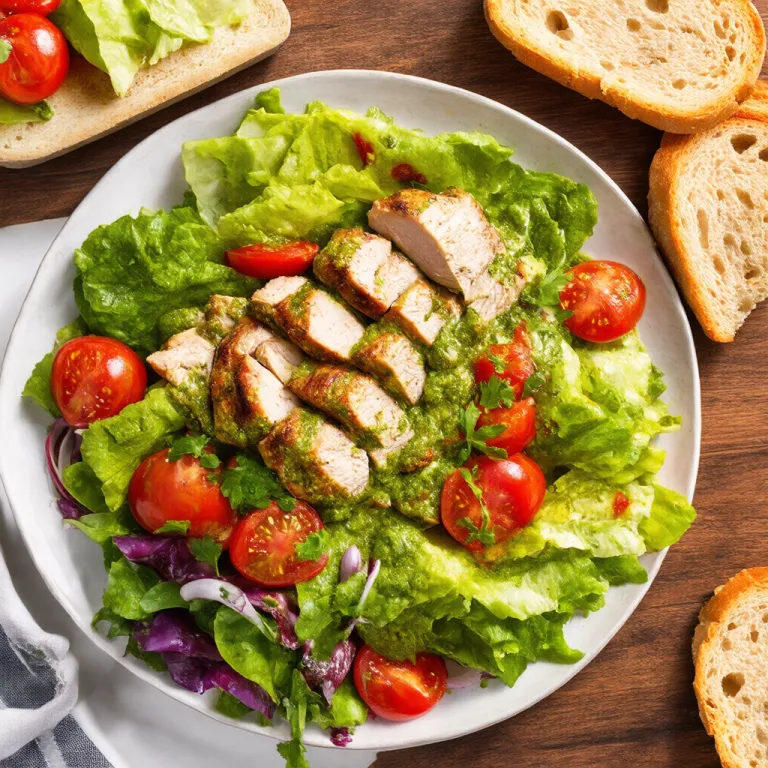
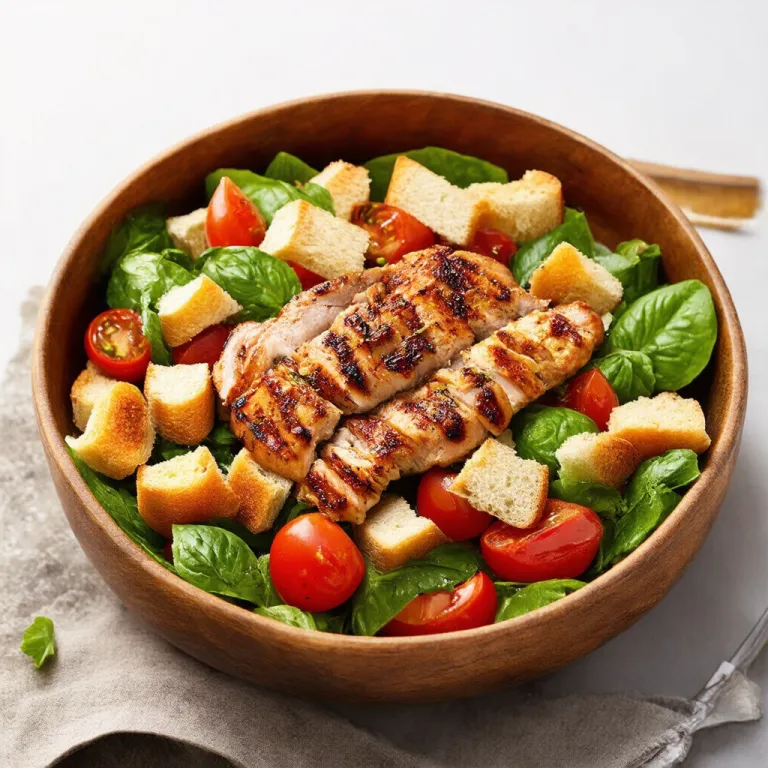
Mixed green salad
The light freshness of a salad contrasts beautifully with the hearty nature of the bread.
-
Homemade hummus
Creamy hummus complements the nutty texture of the bread.
Goes well with
-
Vegetable soup
A warm soup pairs perfectly with the crusty bread for a comforting meal.
-
Cheese platter
The nuttiness of the bread goes well with various cheeses, enhancing the flavour.
Drinks
-
Herbal tea
A light tea complements the wholesome aspect of the bread without overpowering it.
-
Red wine
The earthy tones of a red wine pair well with the seeds and grains in the bread.
Created by a home cook with Pantry Bliss’s AI recipe creator and shared with the community. Always check recipes for allergens and cook food to safe temperatures.