Thai-style Vegetable Curry
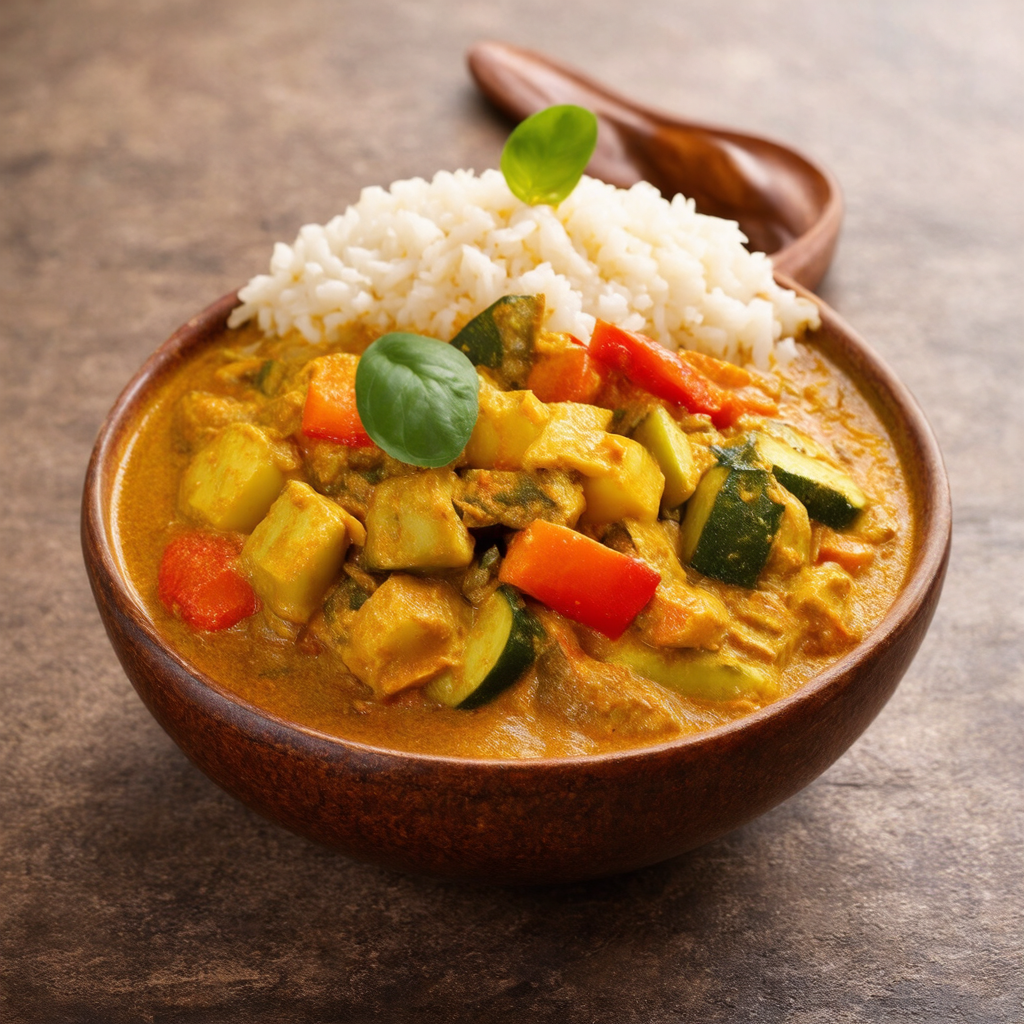
A fragrant coconut curry infused with Thai spices, featuring an array of seasonal vegetables. This dish melds the richness of coconut cream with the freshness of vegetables, making it a perfect vegetarian dinner option.
- Total
- 25 min
- Serves
- 4
- Level
- Adventurous
Created with Pantry Bliss
Ingredients
4 servings
For the curry base
- 3 cloves Garlic, minced
- 1 large Onion, finely chopped
- 400 milliliters Coconut cream
- 2 large Tomatoes, chopped
For the spices
- 1 teaspoon Cumin
- 1 teaspoon Turmeric
- 1 teaspoon Chili powder
- 1 teaspoon Coriander
- to taste Salt
- to taste Black pepper
For serving
- 250 grams Rice, rinsed and drained
- Prep
- 10 min
- Cook
- 15 min
About this recipe
The inspiration for this Thai-style Vegetable Curry stems from the vibrant culinary scene found in Thailand, a country celebrated for its bold flavors and fragrant spices. During a recent trip to Bangkok, I wandered through bustling markets filled with fresh produce, aromatic herbs, and colorful spices. It was a delightful revelation, seeing how the Thais skillfully integrate seasonal vegetables into their meals, transforming what could be a simple dish into a fragrant explosion of taste. One particular dish I encountered was a traditional green curry, where coconut milk enveloped a medley of vegetables, highlighting both the simplicity and depth of Thai cuisine. This captivating experience ignited the idea of crafting a vegetarian curry that honors those authentic flavors while being accessible to home cooks everywhere. At the heart of this dish is the rich, creamy coconut cream that serves as a luxurious base for the curry. Together with fragrant spices like cumin, turmeric, and coriander, the flavors come alive, creating a symphony of warmth that is unmistakably Thai. The liberal use of fresh garlic and onions introduces a delightful aromatic base, while the chopped tomatoes lend their natural sweetness and tartness, marrying beautifully with the spices. For those who crave a touch of heat, the addition of chili powder elevates this dish, striking a perfect balance with the creamy coconut. The blend of these key flavors not only creates a delicious meal but also captures the essence of Thai cooking, which celebrates the harmony of contrasting flavors. To bring forth the unique character of this curry, we employ several straightforward yet effective cooking techniques. The method begins with sautéing the garlic and onions, allowing the allium's sweetness to mellow and the garlic's pungency to bloom. Next, as the spices are introduced, they toast in the hot oil, activating their essential oils and intensifying their flavor, a technique borrowed from classic Indian cooking that is equally effective in Thai cuisine. The incorporation of coconut cream at this stage is crucial—it provides a silky texture that beautifully coats the vegetables, allowing them to retain their vibrant colors and crispness while absorbing the surrounding flavors. A gentle simmer ensures that your curry thickens slightly without losing its luscious character. Presentation plays an essential role in this dish, as it should seduce the eyes before it delights the palate. Once plated, the curry is served over a bed of fluffy, white rice that serves as both a canvas and a complementary base. The rich yellow-orange hues of the curry contrast magnificently against the pristine rice. To enhance the visual appeal, consider garnishing with a sprinkle of fresh herbs like cilantro or basil, their green shades accentuating the vibrant colors of the curry. A wedge of lime on the side invites diners to add a splash of brightness to each bite, a quintessential touch in many Thai dishes. To elevate your dining experience, serve this curry alongside a simple side salad of cucumber, tomato, and carrot drizzled with a light vinaigrette, which provides a refreshing counterpoint to the richness of the curry. For beverages, a cold Thai iced tea or a light lager would pair wonderfully, harmonizing with the spices and enhancing the meal. This Thai-style Vegetable Curry is not just a dish but an embodiment of a rich culinary heritage, inviting everyone to enjoy the beautiful tapestry of flavors that can be created with simple, wholesome ingredients.
Method
-
Step 1: Prepare the rice
Wash the rice under cold water until the water runs clear. Measure the rice and add it to a pot with 500 ml of water. Bring to a boil, then reduce the heat to low, cover, and simmer for 10-12 minutes until fully cooked. Fluff with a fork and keep warm.
Ensure the rice does not stick to the pot by using a non-stick one or adding a little oil if necessary. -
Step 2: Sauté the aromatics
In a large pan or wok, heat 2 tablespoons of oil over medium heat. Add the minced garlic and chopped onion, and sauté until the onion is translucent, about 3-4 minutes.
Avoid burning the garlic; stir continuously and lower the heat if necessary. -
Step 3: Add tomatoes and spices
Add the chopped tomatoes, cumin, turmeric, chili powder, coriander, salt, and pepper to the pan. Stir well and cook for another 5 minutes until the tomatoes soften and the spices become fragrant, forming a sauce.
Make sure the mixture does not stick to the pan; add a splash of water if needed. -
Step 4: Incorporate coconut cream
Pour in the coconut cream, stirring well to combine. Bring the mixture to a simmer and allow it to cook for an additional 5-7 minutes until heated through and slightly thickened.
Ensure it does not boil vigorously, as this can cause the coconut cream to separate. -
Step 5: Serve the curry
Serve the hot coconut vegetable curry over the prepared rice, garnishing with fresh herbs if desired. Enjoy immediately.
Ensure the curry is served hot and garnish just before serving for best flavor.
Tips
- Substitutions: You can use vegetable broth instead of water for cooking the rice to add extra flavor.
- Vegetable Choices: Feel free to customize the vegetables based on the season or your preferences. Broccoli, bell peppers, eggplant, and green beans all work wonderfully in this curry.
- Spice Level: Adjust the heat by increasing or decreasing the amount of chili powder or add fresh chopped chili for a more intense flavor.
- Herbs: Add fresh basil or cilantro to enhance the flavor just before serving, giving a fresh and aromatic touch to the dish.
- Meal Prep: You can prepare the curry base (garlic, onion, tomatoes, and spices) ahead of time and store it in the fridge for up to 3 days. Simply reheat and add coconut cream and vegetables when ready to serve.
- Serving Options: Consider serving the curry with quinoa or cauliflower rice for a low-carb alternative to traditional rice.
- Protein Addition: For added protein, include chickpeas or tofu to the curry. Just ensure to add them in at the proper cooking stage so they heat through.
- Creaminess: If you want a richer curry, add a dollop of peanut butter or almond butter when mixing in the coconut cream for a nutty flavor.
Equipment
- Large pot
- Measuring cups
- Measuring spoons
- Large pan or wok
- Wooden spoon
- Knife
- Cutting board
- Serving bowls
- Fork (for fluffing rice)
Serve it with
Sides
-
Steamed Jasmine Rice
Jasmine rice's fragrant and slightly sticky texture complements the creamy coconut curry, helping to soak up the flavors.
-
Thai Cucumber Salad
This refreshing salad adds a crisp, tangy contrast to the warm, rich curry, enhancing the overall meal experience.
-
Roasted Vegetables
Seasonal roasted vegetables provide additional textures and flavors while balancing out the spiciness of the curry.
-
Spring Rolls
Light and crispy spring rolls make for a delightful appetizer, enhancing the Thai dining experience and providing a crunchy texture.
-
Grilled Corn on the Cob
The sweetness of grilled corn complements the savory and spicy notes of the curry, creating a well-rounded meal.
Goes well with
-
Mango Sticky Rice
This popular Thai dessert has a beautiful balance of sweetness and creaminess, perfectly capping off a flavorful curry dinner.
-
Tom Yum Soup
A bowl of this spicy and sour soup acts as a fantastic appetizer before diving into the main course, setting a Thai culinary tone.
-
Pad Thai
This iconic Thai dish adds a different noodle texture and contrasting flavors, making it a great option to serve alongside the curry.
-
Fruit Platter
A simple fruit platter featuring tropical fruits complements the meal with refreshing flavors, cleansing the palate after the rich curry.
-
Thai Basil Chicken
Offering a non-vegetarian option, this dish provides a hearty choice for those who may want meat alongside the vegetable curry.
Drinks
-
Thai Iced Tea
Its rich, creamy sweetness balances the spice of the curry, making it a perfect pairing for a complete Thai meal.
-
Singha Beer
This lager offers a crisp, refreshing taste that pairs well with spicy dishes like curry, enhancing the overall dining experience.
-
Coconut Water
Natural and refreshing, coconut water provides hydration and complements the coconut flavor present in the curry.
-
Mango Lassi
The creamy, fruity yogurt drink adds a cooling effect against the spicy curry, making for an enjoyable pairing.
-
Chardonnay
A lightly oaked Chardonnay provides a subtle fruitiness that pairs well with the curry without overpowering its flavors.
Created by a home cook with Pantry Bliss’s AI recipe creator and shared with the community. Always check recipes for allergens and cook food to safe temperatures.